Meta Description
Discover Prompt Loom, an AI image prompt platform that helps creators organize, generate, and refine prompts for AI image models. Learn its features, benefits, practical use cases, and tips for writing better prompts.
Prompt Loom – AI Image Prompts: Everything You Need to Know
Artificial intelligence has changed the way we create digital art. A few years ago, generating a high-quality illustration or concept image often required advanced design skills and hours of manual work. Today, AI image generators can produce impressive visuals from simple text descriptions.
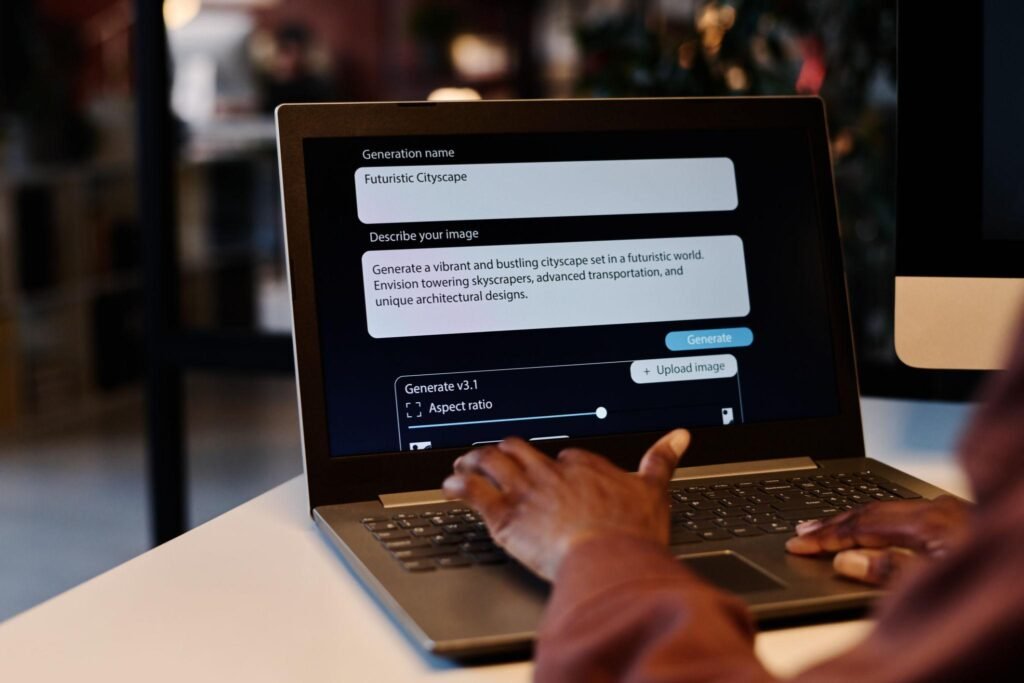
The quality of those images, however, depends heavily on the quality of the prompt you provide.
That’s why prompt management tools have become increasingly useful. Instead of rewriting prompts from scratch every time, creators can organize ideas, experiment with different styles, and refine prompts more efficiently.
One platform that aims to simplify this workflow is Prompt Loom. Whether you’re creating concept art, social media graphics, marketing visuals, fantasy scenes, product mockups, or cinematic portraits, a structured prompt workflow can save time and improve consistency.
In this guide, we’ll explore what Prompt Loom is, how it can fit into an AI art workflow, and why prompt organization has become an important skill for creators.
What Is Prompt Loom?
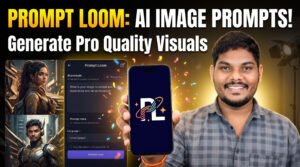
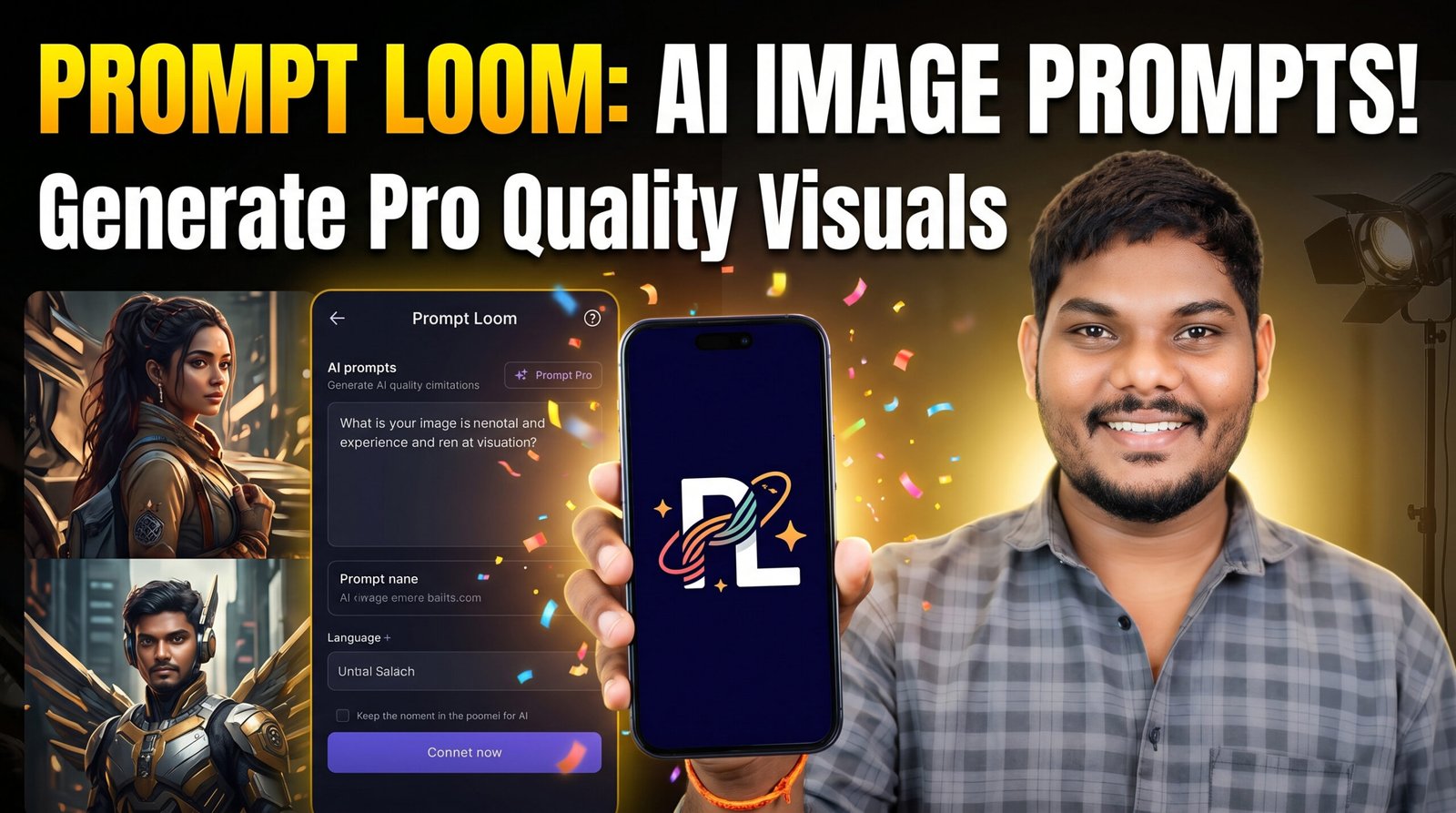
Prompt Loom is designed to help users work with AI image prompts more effectively.
Rather than treating prompts as disposable text, the idea is to organize, edit, and refine them so they can be reused and improved over time.
Many creators maintain dozens—or even hundreds—of prompts for different purposes, such as:
- Portrait photography concepts
- Product photography
- Fantasy artwork
- Architectural visualization
- Character design
- Fashion concepts
- Social media graphics
- Background generation
- Logo ideas
- Concept illustrations
Keeping these prompts organized can make creative projects much easier to manage.
Why Prompt Organization Matters
Imagine you’ve finally created a prompt that generates exactly the style you want.
A few weeks later, you want to recreate that look—but you’ve forgotten the wording.
Without a system, you may spend a lot of time trying to rebuild the same prompt.
A prompt management workflow helps you:
- Save successful prompts
- Categorize ideas
- Compare prompt variations
- Reuse proven structures
- Build a personal prompt library
Over time, this can become one of your most valuable creative resources.
AI Image Generation Starts With Good Prompts
Modern AI image models are capable of producing a wide variety of styles, but they rely on clear instructions.
A prompt often includes information such as:
- Subject
- Environment
- Camera angle
- Lighting
- Mood
- Colour palette
- Clothing
- Composition
- Artistic style
- Aspect ratio
- Quality preferences
The more thoughtfully these elements are combined, the more consistent the results tend to be.
Benefits of Using a Prompt Library
Instead of typing similar descriptions repeatedly, many creators build reusable prompt collections.
For example, a photographer might maintain separate prompt folders for:
- Wedding portraits
- Outdoor portraits
- Fashion shoots
- Product photography
- Festival themes
- Seasonal concepts
When starting a new project, they can use an existing prompt as a foundation rather than beginning from scratch.
This approach saves time while still allowing room for experimentation.
Consistency Across Projects
One challenge with AI-generated artwork is maintaining a consistent visual style.
If each prompt is written differently, the results may vary significantly.
By reusing and refining prompt templates, creators can achieve a more unified look across:
- Instagram posts
- Blog illustrations
- Marketing graphics
- Portfolio images
- Brand visuals
Consistency is particularly important for businesses and creators building a recognizable visual identity.
Experimenting With Different Styles
AI art encourages experimentation.
You might start with a realistic portrait, then explore watercolor, oil painting, anime, cyberpunk, or cinematic interpretations of the same concept.
Keeping track of these variations makes it easier to compare results and decide which direction best suits a project.
Instead of losing successful experiments, you can return to them whenever inspiration strikes.
Who Can Benefit From Prompt Loom?
Prompt management isn’t limited to professional artists.
It can be useful for:
- Graphic designers
- Digital artists
- Photographers
- Bloggers
- Social media creators
- Marketing teams
- Small business owners
- Students
- Game designers
- Content creators
Anyone who regularly uses AI image generators may benefit from organizing prompts in a structured way.
Practical Workflow Example
Imagine you’re preparing promotional graphics for a photography business.
Rather than creating every prompt from scratch, you could build reusable templates for different categories:
- Wedding promotions
- Festival offers
- Studio portraits
- Photo frame advertisements
- Before-and-after editing concepts
- Product showcases
Each template can then be adapted by changing names, colours, themes, or seasonal elements.
This reduces repetitive work while keeping the overall style consistent.
Tips for Writing Better Prompts
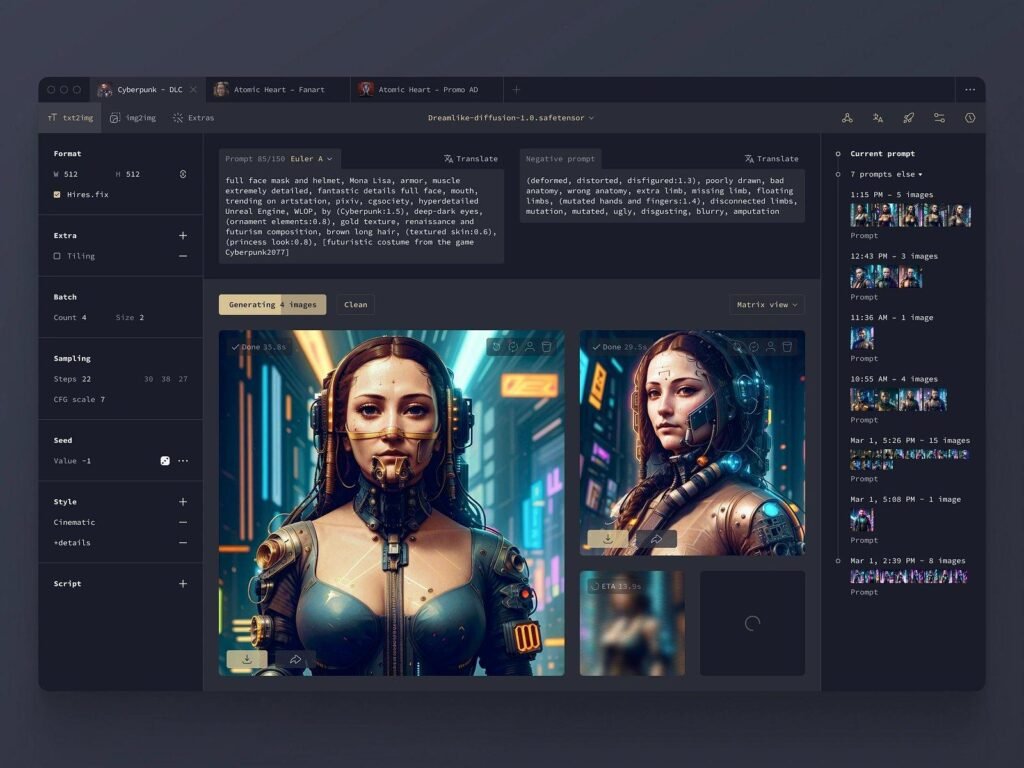
Strong prompts often balance creativity with clarity.
Some helpful practices include:
- Describe the main subject clearly.
- Specify the environment or background.
- Mention the desired lighting.
- Include mood or atmosphere.
- Describe the composition.
- Avoid unnecessary repetition.
- Test small changes instead of rewriting everything.
Prompt writing is often an iterative process. Small refinements can produce noticeably different results.
Final Thoughts
As AI image generation becomes more common, prompt management is becoming an increasingly valuable creative skill. Tools like Prompt Loom encourage creators to treat prompts as reusable assets rather than one-time text entries.
Whether you’re designing social media graphics, creating blog illustrations, or experimenting with digital art, an organized prompt library can help you work more efficiently, stay consistent, and continue improving your results over time.
In Part 2, we’ll explore advanced prompt-writing strategies, workflow organization, collaboration ideas, common mistakes, and practical tips for building a prompt library that grows with your creative projects.
Prompt Loom – AI Image Prompts: The Ultimate Guide to Creating Stunning AI Art (2026)
Meta Description
Discover Prompt Loom, an AI image prompt platform that helps creators generate high-quality prompts for AI art tools. Learn its features, benefits, use cases, and tips for creating professional AI-generated images.
Introduction
Artificial Intelligence has transformed the way people create digital content. Just a few years ago, producing professional-looking artwork required advanced design skills and expensive software. Today, AI image generators make it possible to create detailed illustrations, cinematic portraits, product mockups, fantasy landscapes, and concept art simply by describing what you want in text.
The quality of the final image, however, depends heavily on the quality of the prompt. A short or unclear prompt may produce ordinary results, while a well-crafted prompt can generate images with impressive lighting, composition, textures, and artistic style.
This is where Prompt Loom becomes useful.
Prompt Loom is designed to help creators build, organize, and refine AI image prompts for popular image-generation models. Whether you’re a beginner experimenting with AI art or an experienced creator working on professional projects, a structured prompt library can save time and improve consistency.
In this guide, we’ll explore what Prompt Loom is, why prompt management matters, and how creators can use it to improve their AI-generated artwork.
What Is Prompt Loom?
Prompt Loom is a platform focused on helping users create and organize prompts for AI image generation.
Instead of writing every prompt from scratch, creators can build reusable prompt structures, experiment with different styles, and maintain a collection of prompts for future projects.
This approach is especially helpful for creators who regularly generate images for:
- YouTube thumbnails
- Instagram posts
- Marketing graphics
- Product photography concepts
- Character designs
- Fantasy artwork
- Concept art
- Book covers
- Blog illustrations
- Social media campaigns
Having an organized prompt library makes it easier to maintain a consistent creative workflow.
Why AI Prompts Matter
Many people assume AI image generators work like search engines—you type a few words and receive the perfect image.
In reality, the prompt acts as a creative brief.
A detailed prompt can include information such as:
- Subject
- Environment
- Camera angle
- Lighting
- Colour palette
- Mood
- Clothing
- Composition
- Lens type
- Artistic style
- Rendering quality
- Aspect ratio
The more clearly you describe the desired result, the better the AI can interpret your vision.
Benefits of Using Prompt Loom
One of the biggest advantages of Prompt Loom is organization.
Instead of searching through old notes or chat histories to find a prompt you used months ago, you can keep everything in one place.
Some potential benefits include:
- Faster prompt creation
- Consistent image styles
- Better project organization
- Easier experimentation
- Reusable prompt templates
- Improved collaboration
- Reduced repetitive work
For creators producing content regularly, these small improvements can save significant time.
Who Can Benefit?
Prompt Loom isn’t limited to digital artists.
Many different professionals can use structured prompts in their workflows.
Examples include:
Content Creators
Generate thumbnails, social media graphics, and promotional visuals.
Photographers
Create concept references, mood boards, and lighting ideas before a photoshoot.
Graphic Designers
Explore composition ideas, background concepts, and creative layouts.
Marketing Teams
Develop campaign visuals while maintaining a consistent style across multiple assets.
Bloggers
Create original illustrations to complement articles without relying solely on stock photos.
Small Business Owners
Design product mockups, banners, and social media content more efficiently.
Building Better AI Prompts
A good prompt often includes several elements working together.
Instead of writing:
“A woman in a forest”
You might describe:
- Age and appearance
- Clothing style
- Time of day
- Weather
- Camera angle
- Lens
- Lighting
- Mood
- Colour grading
- Level of realism
Adding meaningful details helps produce more predictable and polished results.
Experimenting With Styles
One of the most enjoyable aspects of AI art is exploring different visual styles.
Depending on your project, you might experiment with:
- Photorealistic portraits
- Cinematic scenes
- Watercolour paintings
- Oil paintings
- Anime-inspired artwork
- Fantasy environments
- Cyberpunk themes
- Minimalist illustrations
- Vintage photography
- Editorial fashion concepts
Keeping style variations organized makes it easier to revisit successful ideas later.
Creating Consistent Characters
If you’re building a comic series, YouTube channel, or storytelling project, consistency matters.
Prompt organization can help you maintain recurring details such as:
- Facial features
- Hairstyles
- Clothing
- Accessories
- Colour palettes
- Background themes
- Lighting preferences
Consistency creates a stronger visual identity across multiple images.
Organizing Prompt Categories
As your collection grows, organizing prompts into categories becomes increasingly useful.
For example:
- Portraits
- Landscapes
- Product Photography
- Fashion
- Food
- Animals
- Architecture
- Cinematic Scenes
- Fantasy
- Science Fiction
Categorization saves time when you’re working on new projects.
Common Prompting Mistakes
Even experienced creators occasionally encounter disappointing AI results.
Some common reasons include:
- Prompts that are too vague.
- Conflicting instructions.
- Overloading prompts with unnecessary details.
- Forgetting the desired aspect ratio.
- Ignoring composition and lighting.
Learning from each generation helps improve future prompts.
Final Thoughts
AI image generation is becoming an important creative tool across many industries. While image models continue to improve, the quality of the prompt remains one of the biggest factors influencing the final result.
A platform like Prompt Loom can help creators organize their ideas, reuse successful prompts, and experiment more efficiently. Whether you’re designing thumbnails, concept art, social media graphics, or marketing visuals, having a structured prompt workflow can make the creative process faster and more consistent.
In Part 2, we’ll explore practical workflows, prompt optimization techniques, collaboration, creative inspiration, common questions, and advanced tips for getting the most out of Prompt Loom and AI image generation.